




Flex-Load Pick-up (option)
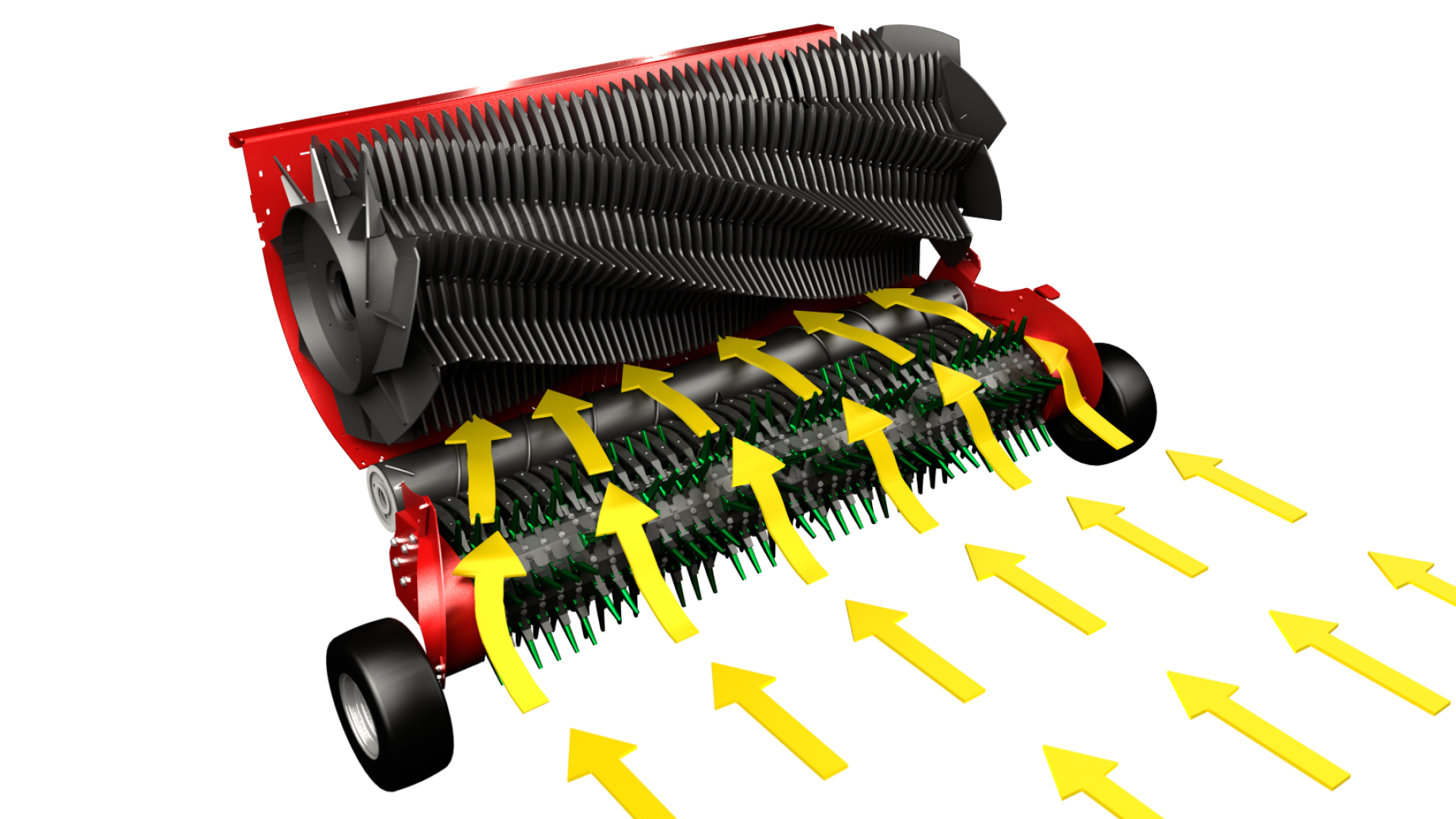
Flexible charging - Saving time and effort
The unique Flex-Load pick-up is the result of decades of experience in the field of silage wagons. Due to the innovative plastic tines, an unprecedented resistance to wear is achieved. The flexible tines are hard enough to perfectly pick up the material from the swathe, but also flexible enough to adapt to the ground, thus minimising wear and saving costs and effort.
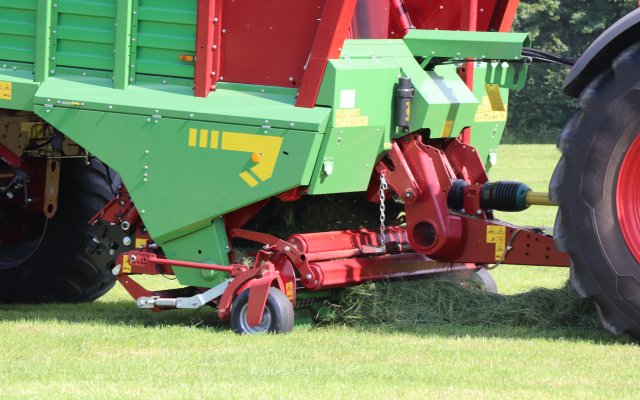
Your advantages
- Less breakage of tines
- Minimised tine wear
- Change of tines in less than one Minute
- Ideal adaptation to ground
- Optimum protection of soil
- Less contamination of fodder
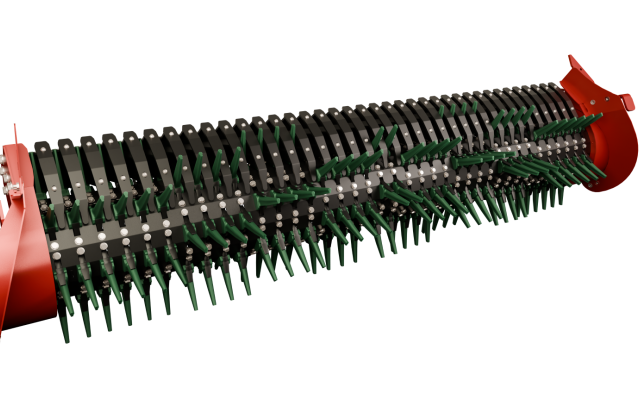
Wide Pick-up
- Flat standing pick-up for optimum adaptation to Ground
- Camless with only a few movable parts for minimum wear
- Road travel possible without folding of guide wheels
- Homogeneous fodder intake due to double roller crop guard
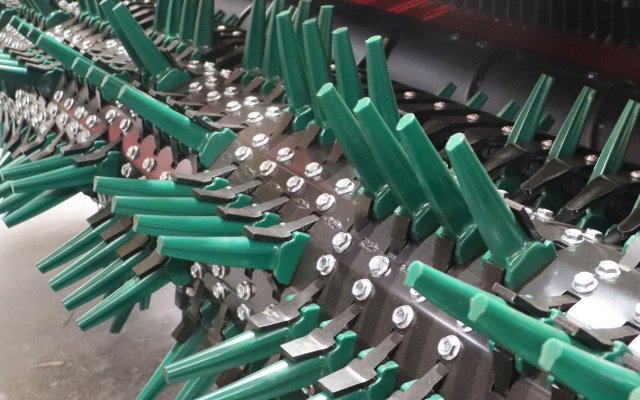
Flexible plastic tines
- Special PUR composition
- 6 helically arranged segmented tine rows
- Tines are flexible in each direction
- Ideal adaptation to ground
- Penetration into the ground is prevented, thus avoiding contamination of fodder
- Minimum wear and hardly any tine breakage
- Change of tines within one minute with only one tool required
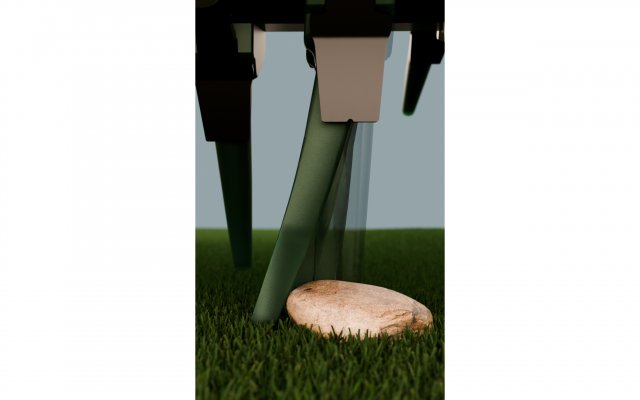
The tines—designed to handle heavy loads
The tines of the Flex-Load pick-up are molded from highly wear-resistant polyurethane. The material used for the tines has flexible properties. Since the tines are thinner at the front, they are less rigid in that area and can avoid foreign objects on the ground better.
The oval shape of the tines also ensures that they they have more lateral flexibility than the outdated spring steel tines. This feature in particular prevents stones or soil from being picked up from the ground—the quality of the loaded forage is significantly better.
The plastic tines, which have now proven themselves in practice, show little wear and no breakage even after long use.
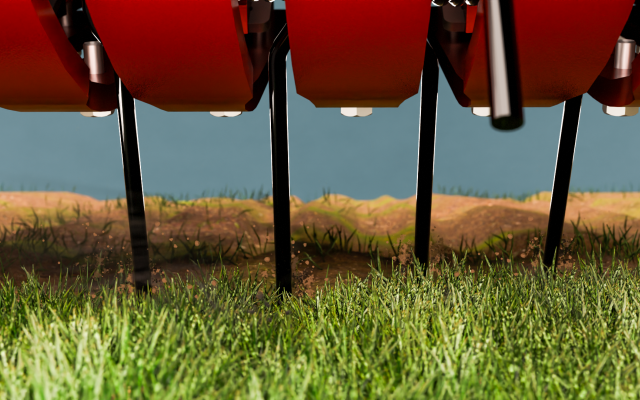
Conventional spring-tine pick-ups can damage the turf
If the settings are incorrect or the terrain is uneven, rigid steel tines will dig into the ground and cause irreparable damage to the turf. As soil is picked up, the crude ash content in the forage increases. Forage quality declines. This leads to fermentation problems in the forage. The yield potential for subsequent cuts is significantly reduced.
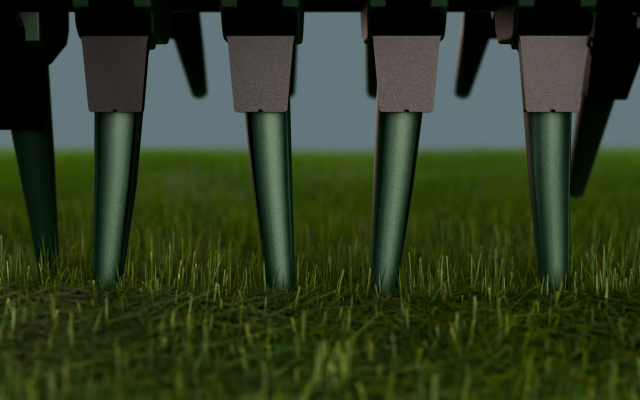
The Flex-Load Pick-Up protects the ground and forage
The flexibility of the plastic tines prevents them from digging into the ground in the event of uneven ground or incorrect settings. The tines bend sideways on contact with the ground. The sward remains undamaged, Direction of flow and yield potential and forage quality are preserved.
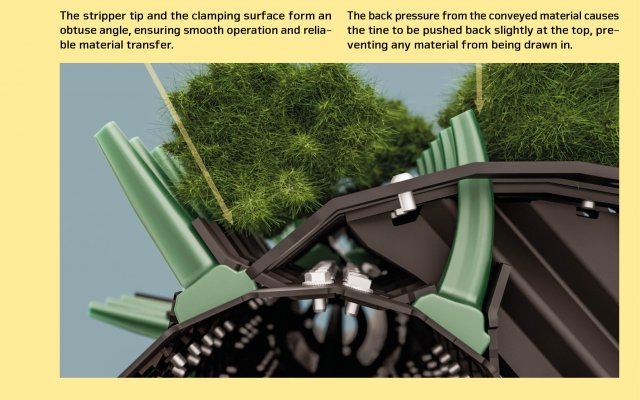
Highest-quality feed Low-maintenance and trouble-free
In the feed transfer zone, the pick-up’s short strippers work in tandem with the tine clamps to handle the forage very gently. In the feed transfer zone, the tine clamps form a very shallow angle with the surface of the strippers, thereby ensuring a gentle feed transfer that
has proven effective in practice. As the short strippers take over the material, the active tine end shortens and gently withdraws from the forage. Due to the very shallow angle between the strippers and the tine clamps, the forage is reliably released from the Flex-Load tines. A minimal lateral distance between the tine clamp and the stripper further enhances this scraping effect. The forage is not pinched and pulled between the strippers,
but is gently transferred to the flow roller. This significantly reduces forage loss. Since the special design of the short strippers on the Flex-Load pick-up eliminates the need for a stripper all around the Pick-up. Forage being drawn into such a stripper cage is completely prevented. Trouble-free operation is guaranteed under any conditions.
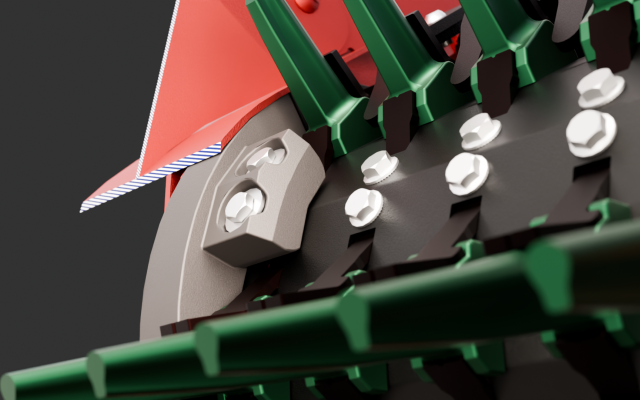
Highest-quality feed Low-maintenance and trouble-free
Sealing elements on the sides of the Flex-Load pick-up ensure that no forage can be drawn into the pick-up side panels. This reliably prevents wear on the bearings and the pick-up side panels.
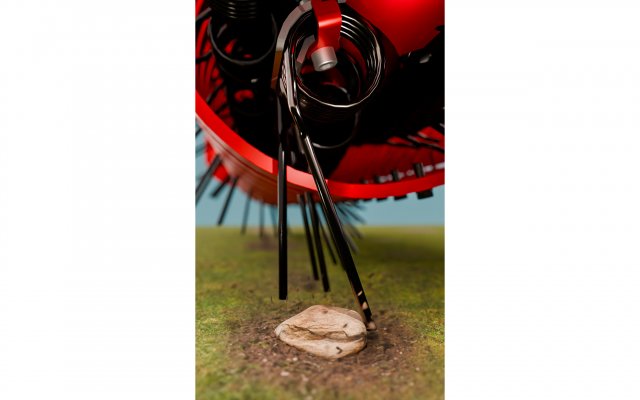
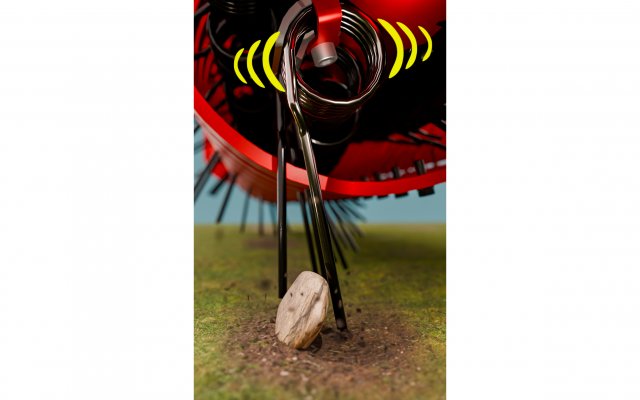
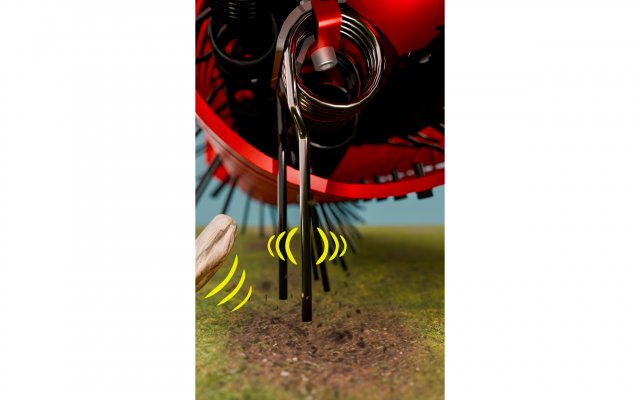
How Spring Tine Pick-Ups Work
The spring action of a conventional double steel spring tine is achieved by a multi-coil
spring formed into the tine’s mounting area. When force is applied to the free end of the tine—for example, when the tine encounters a foreign object embedded in the ground—this spiral spring is tensioned.
As soon as the applied force exceeds the threshold at which the obstructing foreign object is torn from the ground, the free end of the tine, along with the foreign object in front of it, shoots forward. The kinetic energy is transferred to the foreign object, causing it to accelerate significantly.
Foreign objects that are propelled forward during loading may strike the rear of the tractor before landing in the swath, where they can be collected by the forage wagon. This is how unwanted foreign objects end up in the feed. This can also cause damage to the tractor, such as from stone chips.
Downloads
- PDF475.4 KB